
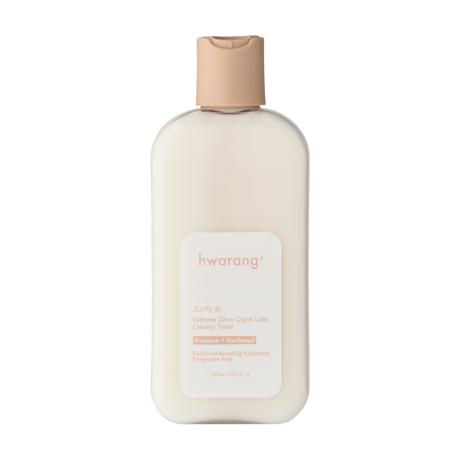
![[hwarang'] Extreme Glow Ogok Latte Creamy Toner](http://yepposoonsoo.se/cdn/shop/files/hwarang-Extreme-Glo-Ogok-Latte-Creamy-Toner-1.jpg?v=1792667039&width=460)
![[hwarang'] Extreme Glow Ogok Latte Creamy Toner](http://yepposoonsoo.se/cdn/shop/files/hwarang-Extreme-Glo-Ogok-Latte-Creamy-Toner-2.jpg?v=1792667039&width=460)
![[hwarang'] Extreme Glow Ogok Latte Creamy Toner](http://yepposoonsoo.se/cdn/shop/files/hwarang-Extreme-Glo-Ogok-Latte-Creamy-Toner-7.jpg?v=1792667039&width=460)
![[hwarang'] Extreme Glow Ogok Latte Creamy Toner](http://yepposoonsoo.se/cdn/shop/files/hwarang-Extreme-Glo-Ogok-Latte-Creamy-Toner-8.jpg?v=1792667039&width=460)
![[hwarang'] Extreme Glow Ogok Latte Creamy Toner](http://yepposoonsoo.se/cdn/shop/files/hwarang-Extreme-Glo-Ogok-Latte-Creamy-Toner-5.jpg?v=1792667039&width=460)
![[hwarang'] Extreme Glow Ogok Latte Creamy Toner](http://yepposoonsoo.se/cdn/shop/files/hwarang-Extreme-Glo-Ogok-Latte-Creamy-Toner-2-6.jpg?v=1792667039&width=460)
![[hwarang'] Extreme Glow Ogok Latte Creamy Toner](http://yepposoonsoo.se/cdn/shop/files/ogok_texture.gif?v=1792667039&width=460)
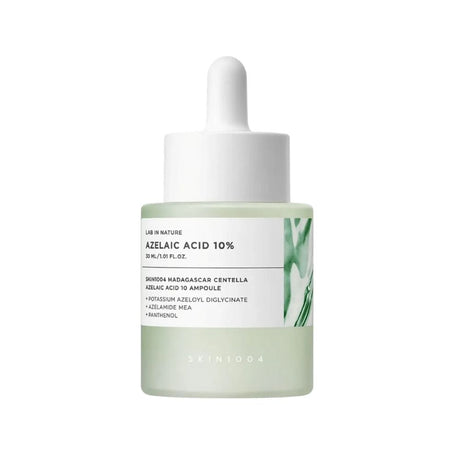
![[SKIN1004] Madagascar Centella Azelaic Acid 10 Ampoule](http://yepposoonsoo.se/cdn/shop/files/SKIN1004-Madagascar-Centella-Azelaic-Acid-10-Ampoule-1.png?v=1788340751&width=460)
![[SKIN1004] Madagascar Centella Azelaic Acid 10 Ampoule](http://yepposoonsoo.se/cdn/shop/files/SKIN1004-Madagascar-Centella-Azelaic-Acid-10-Ampoule-2.png?v=1788340751&width=460)
![[SKIN1004] Madagascar Centella Azelaic Acid 10 Ampoule](http://yepposoonsoo.se/cdn/shop/files/SKIN1004-Madagascar-Centella-Azelaic-Acid-10-Ampoule-3.png?v=1788340751&width=460)
![[SKIN1004] Madagascar Centella Azelaic Acid 10 Ampoule](http://yepposoonsoo.se/cdn/shop/files/SKIN1004-Madagascar-Centella-Azelaic-Acid-10-Ampoule-4.png?v=1788340751&width=460)
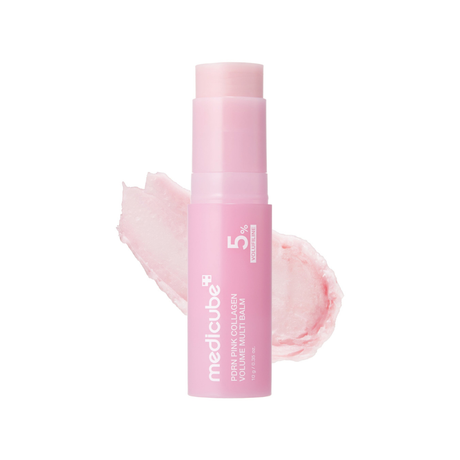
![[medicube] PDRN Pink Collagen Volume Multi Balm](http://yepposoonsoo.se/cdn/shop/files/medicube-PDRN-Pink-Collagen-Volume-Multi-Balm-1.jpg?v=1790052500&width=460)
![[medicube] PDRN Pink Collagen Volume Multi Balm](http://yepposoonsoo.se/cdn/shop/files/medicube-PDRN-Pink-Collagen-Volume-Multi-Balm-6_1b0b38e4-8c9b-4b05-9871-292c5fe91e67.jpg?v=1790052500&width=460)
![[medicube] PDRN Pink Collagen Volume Multi Balm](http://yepposoonsoo.se/cdn/shop/files/medicube-PDRN-Pink-Collagen-Volume-Multi-Balm-2.jpg?v=1790052500&width=460)
![[medicube] PDRN Pink Collagen Volume Multi Balm](http://yepposoonsoo.se/cdn/shop/files/medicube-PDRN-Pink-Collagen-Volume-Multi-Balm-3.jpg?v=1790052501&width=460)
![[medicube] PDRN Pink Collagen Volume Multi Balm](http://yepposoonsoo.se/cdn/shop/files/medicube-PDRN-Pink-Collagen-Volume-Multi-Balm-5.jpg?v=1790052500&width=460)
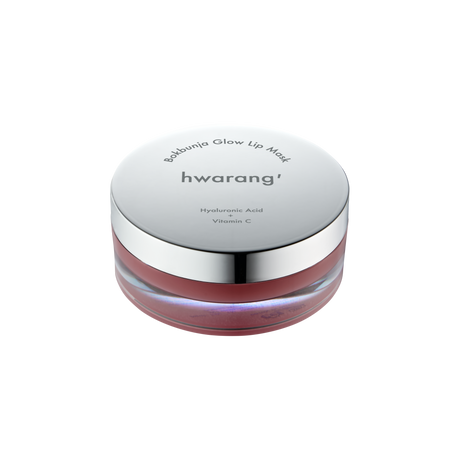
![[hwarang'] Bokbunja Glow Lip Mask](http://yepposoonsoo.se/cdn/shop/files/hwarang-Bokbunja-Glow-Lip-Mask-1.jpg?v=1790228144&width=460)
![[hwarang'] Bokbunja Glow Lip Mask](http://yepposoonsoo.se/cdn/shop/files/hwarang-Bokbunja-Glow-Lip-Mask-2.jpg?v=1790228144&width=460)
![[hwarang'] Bokbunja Glow Lip Mask](http://yepposoonsoo.se/cdn/shop/files/hwarang-Bokbunja-Glow-Lip-Mask-3.jpg?v=1790228144&width=460)
![[hwarang'] Bokbunja Glow Lip Mask](http://yepposoonsoo.se/cdn/shop/files/hwarang_-Bokbunja-Glow-Lip-Mask-lifestyle.jpg?v=1790228144&width=460)
![[hwarang'] Bokbunja Glow Lip Mask](http://yepposoonsoo.se/cdn/shop/files/hwarang-Bokbunja-Glow-Lip-Mask-4.jpg?v=1790228145&width=460)
![[hwarang'] Bokbunja Glow Lip Mask](http://yepposoonsoo.se/cdn/shop/files/hwarang-Bokbunja-Glow-Lip-Mask-5.jpg?v=1790228144&width=460)
Korean cosmetics are known worldwide for their innovative and interesting products, but for centuries in Korea, beauty care has always focused on one thing above all: balance. In this article, we will go through the history of Korean cosmetics and the significance of Korean traditional medicine, that is hanbang, in beauty care. We will also explore a few popular hanbang ingredients and what results they can offer for your skincare.
This is also the first part of our new article series: Yeppo Glow Guide, where we go step-by-step through the secrets of Korean cosmetics! ✨

What is Hanbang? 🫚
Hanbang refers to Korean traditional medicine, whose roots go back thousands of years and which was shaped long ago based on Chinese medicine. The oldest texts found in Hanbang come from the Joseon dynasty, 17th century, from the Korean medical book Donguibogam. This extensive medical opus lists health care methods and techniques as well as tips for achieving soft and smooth skin. Donguibogam is divided into five parts, one of which is Oehyeong, care of the body's external parts. This referred to, among other things, the face, skin, and hair.
Korean traditional medicine is based on balance, the mutual harmony of yin and yang, and holistic care of the whole body. Hanbang's focus is above all on restoring the body's balance and slowing aging. Hanbang is still commonly used as a medical treatment in Korea today, and legally in Korea, it is equivalent to Western medical treatments and medicines.
Hanbang does not only refer to beauty care, but its principles and effective ingredients have inspired many cosmetic brands today.

What is hanbang cosmetics? 🧴
Hanbang -cosmetic products use old, traditionally utilized natural and traditional ingredients in Korean culture in various forms, such as plant extracts, herbs, and roots. These ingredients are known for their beneficial and healing properties in skincare and even medicine. Ingredients that were used hundreds of years ago, for example, to soothe inflammations, are now used as skin-soothing ingredients in cosmetics.
Hanbang is often a source of inspiration for a brand or the use of one or more hanbang ingredients in a cosmetic product. Many hanbang ingredients are very popular and widely used in Korea for both beauty and health care. The Korean Ministry of Food and Drug Safety has set a limit that a product must contain at least 1% hanbang ingredient in order to be advertised as hanbang cosmetics.
If you want skincare that focuses more on the benefits of these natural ingredients, especially keep in mind these Korean brands: hwarang', Beauty of Joseon, Ma:nyo, SKIN1004 and K-Secret.
Hanbang ingredients by skin problem 🌿
Although hanbang focuses on the balance of the whole body, and traditional hanbang cosmetics do not focus on a single skin problem, it is easier for us to look at it from these perspectives. Therefore, we have divided these most popular Korean hanbang ingredients according to which skin problem they are best at solving!
There are hundreds of natural ingredients used in hanbang, and they are either parts of plants, such as roots, leaves, berries, or minerals, or animal-derived ingredients. The most typical in cosmetics are plant-based ingredients.
The naming of products in ingredient lists varies depending on which part of the plant, root, etc. has been used. We always present the beginnings of the most common INCI names in parentheses after the ingredient, where the mentioned hanbang ingredients can be found in the ingredient list.
Well-aging ingredients:
Ginseng
Ginseng (panax ginseng) is one of the best-known hanbang ingredients and has been used in Asia and Europe for hundreds and even thousands of years. It is used in beauty care primarily for its firming and revitalizing properties. In addition, ginseng has anti-inflammatory properties that can help soothe irritated skin and reduce redness and swelling. Explore the wonderful ginseng, for example, in Beauty of Joseon's popular Ginseng essence water or the K-secret line utilizing black ginseng.
Safflower or saflori 홍화
Safflower or safflower is a highly moisturizing ingredient in skincare products and is especially suitable for aging skin. Find safflower, for example, in Dr.Different's retinal serum. Safflower together with retinaldehyde is an effective package in the fight against signs of aging.
Peony 모란
Peony is known not only for its antioxidant properties but also for its skin-soothing and brightening qualities. A hanbang ingredient that revitalizes and firms the skin, it has long been a beloved part of Korean culture. It has been used in Korean medicine for various hormonal and circulatory issues as well as for treating heart and vascular diseases.
Discover the delightful peony in the hwarang' Peony Grinding Cleansing Balm!

Ingredients that brighten the skin:
Yuja
Yuja (citrus junos), also known as Yuzu, is a citrus plant rich in antioxidants. Find this antioxidant-rich ingredient in, among others, the hwarang's Yuja Sweet Lip Volumizer the lip mask as well as in Heveblues Black Yuja-series.

Licorice root eli lakritsjuuriuute 감초
Licorice root extract (Glycyrrhiza glabra) is obtained from the licorice plant and has long been a popular ingredient both in Asia and the West. Licorice root extract is used in skincare for its brightening and anti-inflammatory properties. It is especially used to treat pigmentation changes and to soothe irritated skin. You can find licorice root extract in many of our products, such as the Some By Mi Retinol Reactivating serum.
Omija or Schisandra berries 오미자
Omija berry (Schisandra Chinensis) is an excellent source of antioxidants that protect the skin from external harmful factors. Omija also soothes skin redness and irritation. You can find Omija in [hwarang']’s viral hwarang's viral Omija Glow Lip Masklip mask, which also gives it its natural red shade ❤️

Rice
Skin-strengthening and soothing ingredients:
Centella Asiatica
Centella asiatica is one of the most familiar ingredients from Korean hanbang in beauty care. It is a true K-beauty powerhouse, especially used in products that soothe the skin. Many who suffer from skin redness, irritation, and sensitivity benefit from centella asiatica.
Centella Asiatica also yields various compounds that concentrate centella's properties. These are found under names like madecassoside and asiatic acid. Especially the cult-favorite Centellian24 Madeca Cream Time Reverse -moisturizer contains many ingredients extracted from centella asiatica that both soothe and promote the maintenance of healthy and youthful skin.
Heartleaf, that is extract from the leaves of the green chameleon 어성초
Heartleaf (Houttuynia Cordata) is a common name for the Houttuynia cordata plant, used in traditional medicine and cosmetics in Korea. The leaves of the heartleaf plant are known for their heart-shaped appearance and are also beneficial in skincare. It is a gentle ingredient with many of the same benefits as centella asiatica. It soothes the skin and its inflammations and is an antibacterial ingredient.
Green chameleon leaf extract works well with many active ingredients, as it helps reduce skin irritation caused easily by, for example, vitamin A derivatives like retinol and chemical exfoliants.
If you want to explore products containing heartleaf, check out Anuas heartleaf products and Abibs heartleaf series.
Bellflower
Bellflower is grown in all provinces of South Korea well into late autumn. It is consumed in many different forms, such as a side dish, a kind of supplement combined with pear or honey, and as tea, which is often Koreans' first remedy for colds or sore throats.
The saponins, flavonoids, and phenolic acids contained in bellflower effectively fight inflammation, helping to soothe the skin. You can find bellflower in products like hwarang' Bellflower Moisturizing Barrier Cream and hwarang' Bell Flower Cleansing Balm.

Mugwort, Artemisia eli pujo 쑥
Mugwort is known for its effective soothing effect on the skin and skin redness. Additionally, it helps balance the skin by improving skin moisture balance and reducing excessive sebum production. It also has a cleansing antiseptic effect.
Mugwort can be found in several products in our selection, such as Round Lab Mugwort Calming Cream and Axis-Y Mugwort Green Vital Energy Complex Sheet Mask.
Korean Red Pine 송이
Korean pine (Pinus Densiflora) is an antioxidant as well as a skin-soothing and balancing product used in Korean healthcare for many purposes, including wound care. According to some studies, it may also have good skin tone-evening properties. Find Korean pine extract, for example, in K-Secrets products.

Ingredients suitable for oily skin:
Red beans
Red bean (Phaseolus Angularis) is one of the earliest ingredients in Korean beauty care. Its naturally occurring saponins have made it an easy and simple cleanser when used with water, and it has a skin-cleansing and balancing effect. Find purifying red bean in Beauty of Joseons face mask, which is a perfect clay mask for oily skin.
Green plum 매실
Green plum (Prunus Mume) is not only a popular cosmetic ingredient but also widely used in cooking and beverages. In skincare, its naturally occurring acids help gently exfoliate the skin while providing antioxidant benefits. Discover green plum in Beauty of Joseon products!
Are you already curious to try hanbang ingredients?

 info@yepposoonsoo.se
 14 dagar returrätt
 SSL Encryption
 Secure Checkout
 PCI-DSS Compliant
 PayPal Buyer Protection
 Klarna – Pay Securely
![[MediAnswer] Vita Collagen Mask (EXP. 8.1.2027)](http://yepposoonsoo.se/cdn/shop/files/About-Me-MediAnswer-Vital-Collagen-Mask_a65282bb-c740-4cc0-8a8c-dd33fc2d1991.jpg?v=1737033827&width=156)
![[espoir] Pro Tailor Be Natural Cushion (+REFILL)](http://yepposoonsoo.se/cdn/shop/files/espoir-pro-tailor-natural-cushion_fbfdff49-1bb3-4f6a-83ce-26756623722d.jpg?v=1763450789&width=156)
![[Centellian24] Madeca Cream Time Reverse](http://yepposoonsoo.se/cdn/shop/files/Centellian24-Madeca-Cream-Time-Reverse.png?v=1779864565&width=156)
