
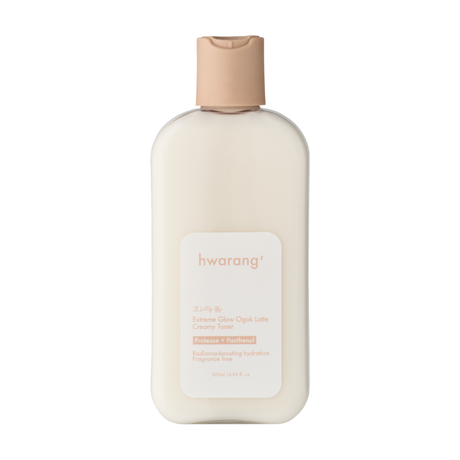
![[hwarang'] Extreme Glow Ogok Latte Creamy Toner](http://yepposoonsoo.se/cdn/shop/files/hwarang-Extreme-Glo-Ogok-Latte-Creamy-Toner-1.jpg?v=1790227620&width=460)
![[hwarang'] Extreme Glow Ogok Latte Creamy Toner](http://yepposoonsoo.se/cdn/shop/files/hwarang-Extreme-Glo-Ogok-Latte-Creamy-Toner-2.jpg?v=1790227619&width=460)
![[hwarang'] Extreme Glow Ogok Latte Creamy Toner](http://yepposoonsoo.se/cdn/shop/files/hwarang-Extreme-Glo-Ogok-Latte-Creamy-Toner-3.jpg?v=1790227619&width=460)
![[hwarang'] Extreme Glow Ogok Latte Creamy Toner](http://yepposoonsoo.se/cdn/shop/files/ogok_texture_e5929e4c-7f9e-42f1-b33d-28eaef6a1135.gif?v=1790227620&width=460)
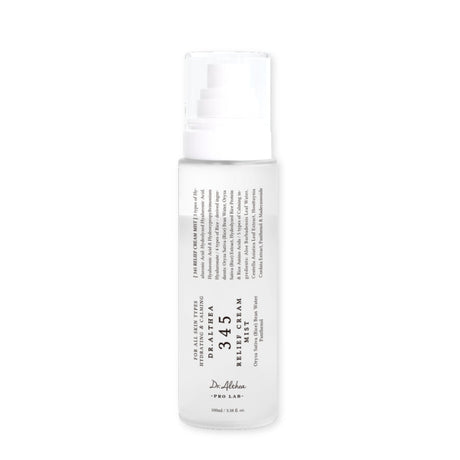
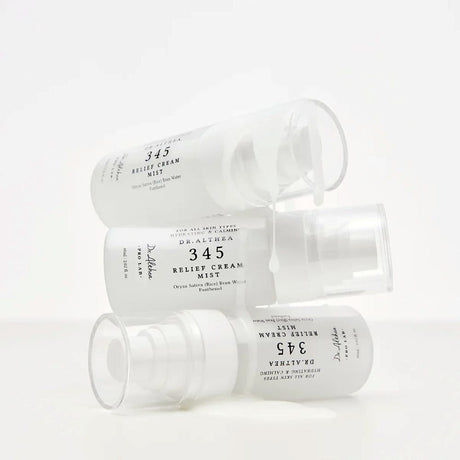
![[Dr. Althea] 345 Relief Cream Mist](http://yepposoonsoo.se/cdn/shop/files/Dr.Althea-345-Relief-Cream-Mist-1_2193483a-a28a-4a33-97ed-7e3f54e8e17a.jpg?v=1772535070&width=460)
![[Dr. Althea] 345 Relief Cream Mist](http://yepposoonsoo.se/cdn/shop/files/Dr.Althea-345-Relief-Cream-Mist-4_22aeb100-781d-4f27-b0b6-65e9b4367ffa.jpg?v=1772535070&width=460)
![[Dr. Althea] 345 Relief Cream Mist](http://yepposoonsoo.se/cdn/shop/files/Dr.Althea-345-Relief-Cream-Mist-2_bc6d2e68-a8c4-48bb-9ce3-ded12837296c.jpg?v=1772535070&width=460)
![[Dr. Althea] 345 Relief Cream Mist](http://yepposoonsoo.se/cdn/shop/files/Dr.Althea-345-Relief-Cream-Mist-3_f64d6419-7356-43c5-bb1c-c801a638deba.jpg?v=1772535071&width=460)
![[Dr. Althea] 345 Relief Cream Mist](http://yepposoonsoo.se/cdn/shop/files/Dr.Althea-345-Relief-Cream-Mist-60ml_370755d0-cdfd-4075-90bc-2a30520aeff6.jpg?v=1772535070&width=460)
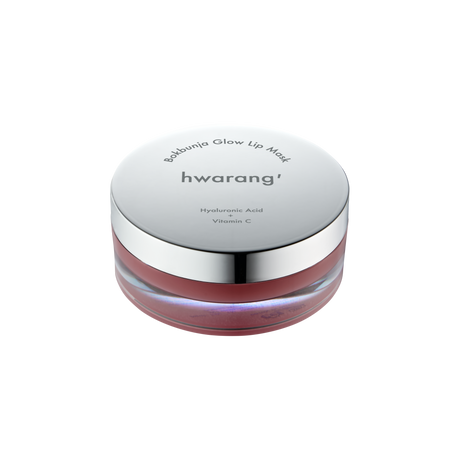
![[hwarang'] Bokbunja Glow Lip Mask](http://yepposoonsoo.se/cdn/shop/files/hwarang-Bokbunja-Glow-Lip-Mask-1.jpg?v=1790228144&width=460)
![[hwarang'] Bokbunja Glow Lip Mask](http://yepposoonsoo.se/cdn/shop/files/hwarang-Bokbunja-Glow-Lip-Mask-2.jpg?v=1790228144&width=460)
![[hwarang'] Bokbunja Glow Lip Mask](http://yepposoonsoo.se/cdn/shop/files/hwarang-Bokbunja-Glow-Lip-Mask-3.jpg?v=1790228144&width=460)
![[hwarang'] Bokbunja Glow Lip Mask](http://yepposoonsoo.se/cdn/shop/files/hwarang_-Bokbunja-Glow-Lip-Mask-lifestyle.jpg?v=1790228144&width=460)
![[hwarang'] Bokbunja Glow Lip Mask](http://yepposoonsoo.se/cdn/shop/files/hwarang-Bokbunja-Glow-Lip-Mask-4.jpg?v=1790228145&width=460)
![[hwarang'] Bokbunja Glow Lip Mask](http://yepposoonsoo.se/cdn/shop/files/hwarang-Bokbunja-Glow-Lip-Mask-5.jpg?v=1790228144&width=460)

What does mineral and chemical sunscreen mean, and which is better?
Sunscreen is one of the most important or even the most important step in the skincare routine. In Korean skincare, the use of sunscreen plays a very big role, and many of the world's most popular sunscreens come from Korea.
There are still many misconceptions about sunscreens. Many believe, for example, that mineral (physical) sunscreen works differently than chemical – even though the reality is surprisingly similar.
In this article we cover:
- what is really the difference between chemical and mineral sunscreen?
- which sunscreen should you choose?
- our product recommendations for different sunscreens
Mineral vs chemical sunscreen
This is one of the most talked-about topics in skincare – and at the same time one of the most confusing. There is a lot of contradictory information, so we have compiled a clear overview based on reliable sources to help you make informed choices.
🌞Sunscreens in brief
What is sunscreen mainly made of?
- The base of the product is water- and/or oil-soluble liquid
- UV filters – these must be officially approved and tested ingredients
- Caring ingredients – for example moisturizing and radiance-boosting substances
- Film formers – an extremely important component that ensures the sunscreen forms a uniform protective film on the skin
- Composition-enhancing ingredients – to make the sunscreen pleasant to use and easy to apply
- Preservatives – to keep your sunscreen from spoiling

How does physical (mineral) sunscreen work?
Mineral sunscreen, that is inorganic sunscreen, uses two different UV protection agents: titanium dioxide and zinc oxide. These are minerals from nature that undergo a long processing procedure to work better in the final product.
Mineral sunscreens mainly work by absorbing UV radiation and converting it into heat, just like chemical sunscreens. This may be surprising, as it is often believed that mineral sunscreens only reflect UV rays. In reality, reflection is only a small part of their function, about 5-10%.
Since mineral sunscreens use two white minerals, it is common for them to leave a slight white cast on the face (the dreaded white cast). Therefore, these ingredients are made in nano size so the product blends better into the skin tone. Additionally, so-called "UV boosters" can be used to enhance the effect of mineral sunscreen agents, meaning less product is needed.
Warning: chemistry! 🧬
What does inorganic and organic sunscreen mean? Inorganic and organic sunscreens are two different types of sunscreens based on their chemical composition. The term "physical sunscreen" is somewhat misleading, so a more accurate term is mineral or inorganic sunscreen because its ingredients are chemically inorganic minerals. Similarly, "chemical sunscreen" is also a misleading term because all sunscreens are chemical. Therefore, they are more formally called organic sunscreen because they contain organic compounds.
The difference is that inorganic sunscreen is based on inorganic ingredients, while organic sunscreen consists of organic compounds.
Organic means that the ingredient consists of carbon-based compounds. A large part of life and substances around us are organic chemistry, such as fats and alcohol. Inorganic substances include water, minerals, and trace elements.
Why choose Korean mineral sunscreen?
Typical mineral sunscreen is often thick in texture and leaves the skin white. Korean mineral sunscreens are unusually light and strive to minimize the white cast on the skin. Often, a tint is also added to Korean mineral sunscreens to break the natural white tone of the product. These tone-up sunscreens are very popular in Korea but may be too light if your skin tone is darker.
If you prefer mineral-based sunscreen, Korean options can be a great choice for you – they are often lighter in texture and feel more comfortable on the skin than traditional mineral-based sunscreens.
Yeppo's best mineral-based sunscreens
In our range, there are many wonderful mineral-based sunscreens! These are excellent options if:
- your skin has become sensitive to chemical UV filters
- your skin is generally sensitive

Best mineral-based sunscreen for oily skin: [ETUDE] Sunprise Mild Airy Finish Sun Milk
Etude's sunscreen that leaves a matte finish is an excellent choice for oily, reddened, and blemished skin.

Best mineral-based sunscreen for dry skin: [Cosnori] Panthenol Barrier Sun Cream
Cosnori's sunscreen with panthenol strengthens the skin's protective barrier and moisturizes the skin. The mild scent comes from the natural oils used in the product.

Best mineral-based sunscreen for aging skin: [Round Lab] Birch Juice Moisturizing Mild Up Sunscreen
Round Labs mineral sunscreen is enriched with several vitamins as well as moisturizing and fermented ingredients, making this sunscreen a truly multifunctional product! Antioxidants support the skin's normal health and help keep the skin tone clear and even.

Best mineral-based sunscreen for sensitive skin: [Anua] Airy Sun Cream
Sunscreen suitable for sensitive and oily skin soothes the skin and leaves a matte finish. Anua's sun protection contains soothing plant extracts that help reduce minor skin inflammations, such as pimples.

Best tone-up mineral-based sunscreen: [SKIN1004] Madagascar Centella Poremizing Velvet Finish Sunscreen
There are many shades among tinted options, from peach to purple and green. These can be used to even out skin tone: if your skin is reddish, try a green-tinted sunscreen. This SKIN1004 tinted sunscreen can be a good option for many: the peach tone brightens the skin and works as a good primer – or simply on its own! The product leaves a matte finish on the skin and is a good choice especially for combination or oily skin.
How does chemical (organic) sunscreen work?
Chemical sunscreens absorb UV rays and convert the harmful radiation into a safe form, such as heat. In the EU, there are about 30 approved chemical sunscreen filters. These are basically the same as in Korea, where newer, modern sunscreen agents are especially preferred. These modern chemical filters are larger molecules and are gentler on skin and eyes. They are also more stable and withstand longer sun exposure. Because their effect is better, less quantity is needed to get strong protection, which also reduces the risk of irritation and chemical load.
You recognize modern filters in many Korean sunscreens, for example:
-
- Ethylhexyl Triazone (Uvinul T 150)
- Bis-Ethylhexyloxyphenol Methoxyphenyl Triazine (Tinosorb S)
- Drometrizole Trisiloxane (Mexoryl XL)
The names in parentheses are product names and make them easier to recognize!
Why choose Korean chemical sunscreen?
In Korean cosmetics, sunscreen is one of the most important skincare products! Therefore, high standards are set – the sunscreen should be pleasant to use, provide strong UV protection, offer skincare benefits, and last long.
Korean chemical sunscreens mainly use modern UV filters, whose benefits were mentioned above. Therefore, many with sensitive skin can use Korean chemical sunscreens without problems. They are also an excellent choice if you have a darker skin tone, as they rarely leave a white cast on the skin.
Korean sunscreens combine the benefits of sun protection and skincare, making them versatile products. They often work as both moisturizer and sunscreen. So you don't necessarily need a separate moisturizer, as Korean sunscreen can function as a day cream while hydrating the skin and protecting it from the sun.
Yeppo's best chemical sunscreens
Yeppo's range has by far the most chemical sunscreens because they are the most popular in Korea. Our customers also love the light feel and simplicity of chemical sunscreens. You might want a Korean chemical sunscreen if:
- you want a lightweight sunscreen
- you want a sunscreen that also suits a darker skin tone

Best chemical sunscreen for oily skin: [Beauty of Joseon] Relief Sun Aqua-Fresh : Rice + B5
Beauty of Joseon's Aqua Fresh has been a global success from the start and is also one of our customers' favorites! Its light and fresh formula suits all skin types, even oily skin. It does not leave the face shiny but blends discreetly into the skin.

Best chemical sunscreen for dry skin: [Round Lab] Birch Juice Moisturizing Sunscreen
Korea's best-selling sunscreen is also our favorite! Round Lab's iconic sunscreen provides intense hydration and gives the skin radiance. This sunscreen also works as a moisturizer, and especially combination or oily skin can skip the regular moisturizer.

Best chemical sunscreen for sensitive skin: [SKIN1004] Madagascar Centella Hyalu-Cica Water-Fit Sun Serum
Yeppo's best-selling sunscreen year after year, and it's no wonder! This sunscreen is an easy choice for many; it suits sensitive skin, combination skin, skin that needs radiance, dry skin... It also works excellently as a base under makeup!

Best chemical sunscreen for aging skin: [Beauty of Joseon] Relief Sun : Rice + Probiotics
Beauty of Joseon's sunscreen with rice and probiotics is also a long-time favorite! It helps even out skin tone as well as strengthen and nourish the skin. Therefore, it is an excellent choice for all skin types, including mature skin.
Which should you choose: mineral-based or chemical sunscreen?
Mineral-based and chemical have more in common than many think! Which should you choose – or does it even matter?
The best sunscreen is the one that is actually used! Therefore, choose a sunscreen that feels comfortable on your skin. Any sunscreen is better than none at all. Both chemical and mineral-based sunscreens are safe choices, and there are excellent options for different skin types.
If you are considering which to choose for your child, there are slightly different recommendations from various experts. Some prefer mineral-based sunscreens, but this recommendation often comes from countries where there is not as good a selection of chemical sunscreens as in Europe and Korea. According to other sources, children over 6 months can use the same sunscreen as adults. In the end, adults must make a conscious choice for their child and provide sufficient sun protection by using both clothing and other protective methods, such as sunscreen.
Medication and various illnesses can also affect the choice, so it is most important to follow advice from your doctor.

Mineral-based vs chemical – frequently asked questions
Does mineral-based work immediately, but chemical only after 20 minutes?
- Both work immediately. The recommendation to wait 10-20 minutes after application is because the sunscreen needs time to settle on the skin and form a durable film. This applies to both mineral and chemical sunscreens.
What is a good choice for skin prone to acne and rosacea?
- It is good to follow advice from your doctor, but if you are currently not in contact with a doctor about this, we recommend choosing a sunscreen designed for sensitive and oily skin. Both chemical and mineral-based options are available for these skin types. However, only by trying can you know which sunscreen suits your skin best.
Can I use chemical sunscreen if I suffer from melasma or other pigmentation disorders?
- Absolutely! It is a misconception that chemical sunscreens worsen pigmentation changes. Although sunscreen can cause a slight warming effect on the skin and high temperatures can trigger pigmentation, this heat is negligible on the skin. We recommend SPF 50 and PA++++ sunscreen with brightening antioxidants for those with pigmentation changes. Tinted sunscreens are also a good choice because they help protect the skin from visible light, which can also affect skin pigmentation.
How much sunscreen should be applied?
- The effectiveness of sunscreen depends on the amount used. Therefore, it is important to apply enough sunscreen! Face: 1/4 teaspoon Face+neck+décolleté: 1 teaspoon
Does chemical sunscreen need to be applied more often?
Both chemical and mineral-based sunscreens are recommended to be applied every two hours. Why? The sunscreen does not lose its effect (especially not modern UV filters), but as you move and live your day, the protective film of the sunscreen starts to degrade. Wiping your face, sweating, and other movements affect the sunscreen's effectiveness. Even though the sunscreen is still active after two hours, it is not as effective, so sunscreen should be reapplied throughout the day.
A convenient option is Korean sun sticks, that is, sun stick. See our range here and find a version that suits you! They also work over makeup, so you can safely apply them even if you are wearing makeup.
Do you have more questions? Read our article where we explore the most common sunscreen myths and explain what the science says about them!

Sources:
Wong M. Chemical vs physical sunscreens: The science. Lab Muffin Beauty Science. March 31, 2018. Retrieved April 16, 2026. https://labmuffin.com/chemical-vs-physical-sunscreens-the-science-with-video/
Wong M. How do sunscreens work? The science. Lab Muffin Beauty Science. January 10, 2021. Retrieved April 16, 2026. https://labmuffin.com/how-do-sunscreens-work-the-science-with-video/
Mayo Clinic Q&A: Sun Protection for Children — and Adults. Retrieved April 16, 2026. https://newsnetwork.mayoclinic.org/discussion/mayo-clinic-q-and-a-sun-protection-for-children-and-adults/
 info@yepposoonsoo.se
 14 dagar returrätt
 SSL Encryption
 Secure Checkout
 PCI-DSS Compliant
 PayPal Buyer Protection
 Klarna – Pay Securely

![[MediAnswer] Vita Collagen Mask (EXP. 8.1.2027)](http://yepposoonsoo.se/cdn/shop/files/About-Me-MediAnswer-Vital-Collagen-Mask_a65282bb-c740-4cc0-8a8c-dd33fc2d1991.jpg?v=1737033827&width=156)
![[espoir] Pro Tailor Be Natural Cushion (+REFILL)](http://yepposoonsoo.se/cdn/shop/files/espoir-pro-tailor-natural-cushion_fbfdff49-1bb3-4f6a-83ce-26756623722d.jpg?v=1763450789&width=156)
